
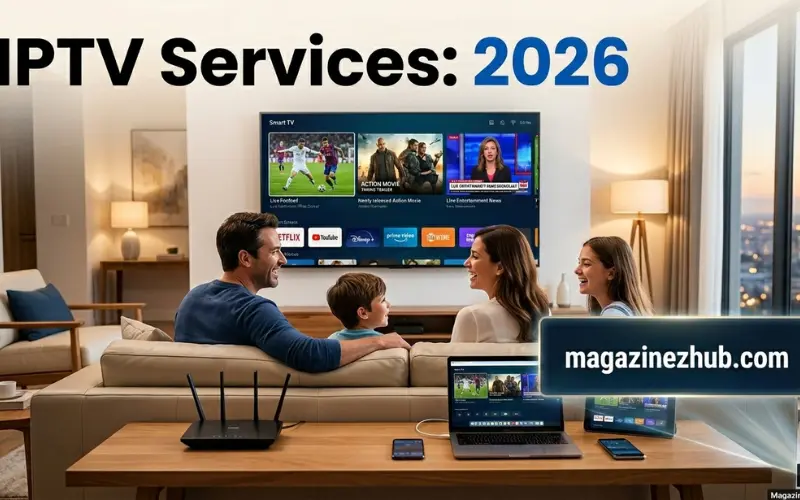
IPTV services deliver television content through internet connections instead of traditional cable, satellite, or broadcast systems. IPTV allows users to stream live TV channels, on-demand content, recorded programs, and multimedia entertainment directly through smart TVs, mobile devices, computers, and streaming boxes. As internet technology continues improving, IPTV services are becoming one of the most popular ways to access digital entertainment worldwide.
Television has evolved dramatically over the past two decades. Traditional cable and satellite systems once dominated home entertainment, but advances in internet technology have transformed how people watch content. Today, viewers want flexibility, convenience, and access to entertainment whenever and wherever they choose.
This shift in consumer behavior has contributed to the rapid growth of IPTV services. Instead of relying on physical cables or satellite dishes, IPTV uses internet networks to deliver television programming directly to users. This modern approach provides greater flexibility, more content options, and a personalized viewing experience.
The popularity of IPTV services continues growing because consumers increasingly prefer streaming solutions that fit their lifestyles. Whether watching live sports, news broadcasts, movies, educational content, or television series, IPTV platforms offer a convenient alternative to traditional broadcasting methods.
As internet speeds improve and smart devices become more common, IPTV is expected to play an even larger role in the future of digital entertainment. Understanding how IPTV works, its benefits, features, challenges, and future developments can help viewers make informed decisions about modern television technology.
What Are IPTV Services?
IPTV stands for Internet Protocol Television. Unlike traditional television systems that transmit content through satellite signals, terrestrial broadcasting, or cable networks, IPTV uses internet protocols to deliver media content.
This means television programming is transmitted through internet connections and viewed on compatible devices. Users can access content using smart TVs, computers, smartphones, tablets, and dedicated streaming devices.
IPTV services typically offer several categories of content, including:
- Live television channels
- Video-on-demand content
- Recorded programming
- Educational content
- Sports broadcasts
- News channels
- Entertainment programming
- International content
The flexibility of internet-based delivery has made IPTV one of the fastest-growing entertainment technologies globally.
How IPTV Services Work
IPTV technology operates differently from traditional television broadcasting.
The process generally includes several steps:
Content Collection
Television channels and video content are gathered from various sources.
Content Encoding
Media files are converted into digital formats suitable for internet transmission.
Server Distribution
Encoded content is stored on servers that deliver programming to users.
Internet Transmission
Content travels through internet networks instead of traditional broadcasting systems.
Device Playback
Users access content through compatible devices connected to the internet.
This process allows viewers to watch content on demand while maintaining high-quality streaming experiences.
Types of IPTV Services
Several categories of IPTV services exist to meet different viewing preferences.
Live Television
Live IPTV streams television channels in real time.
Examples include:
- News channels
- Sports events
- Entertainment channels
- Educational broadcasts
This experience closely resembles traditional television viewing.
Video on Demand
Video-on-demand services allow users to watch content whenever they choose.
Benefits include:
- Flexible viewing schedules
- Content libraries
- Personalized entertainment
- Convenient access
Many viewers prefer on-demand content because it eliminates fixed broadcast schedules.
Time-Shifted Television
Time-shifted services allow viewers to watch previously aired programs.
Popular features include:
- Replay functions
- Catch-up television
- Program archives
- Delayed viewing
These options provide greater control over entertainment consumption.
Recorded Content
Users can save content for future viewing.
Recording features help viewers avoid missing important programs.
Key Features of IPTV Services
Modern IPTV platforms offer various features that improve user experiences.
High-Quality Streaming
Many IPTV services support:
- HD resolution
- Full HD content
- 4K streaming
- Improved video quality
Quality depends on internet speed and device capabilities.
Multi-Device Access
Users can watch content across multiple devices.
Supported devices often include:
- Smart TVs
- Smartphones
- Tablets
- Computers
- Streaming devices
This flexibility is one of IPTV’s biggest advantages.
User-Friendly Interfaces
Modern IPTV platforms prioritize simple navigation.
Features often include:
- Search functions
- Content recommendations
- Organized categories
- Personalized dashboards
Electronic Program Guides
Program guides help viewers browse schedules and discover content.
These guides improve overall usability.
Benefits of IPTV Services
The growing popularity of IPTV is largely driven by its numerous benefits.
Greater Flexibility
Users can watch content on their preferred devices.
This flexibility supports modern lifestyles and viewing habits.
Personalized Viewing
Many IPTV platforms recommend content based on user interests.
Personalization improves engagement and satisfaction.
On-Demand Access
Viewers no longer need to follow strict broadcasting schedules.
Content can often be accessed whenever desired.
Global Content Availability
Internet-based delivery allows access to content from various regions.
This expands entertainment choices significantly.
Space-Saving Setup
IPTV eliminates the need for large satellite dishes or extensive cable installations.
A stable internet connection is generally sufficient.
Why IPTV Services Are Becoming Popular
Several factors contribute to IPTV’s increasing popularity.
Improved Internet Infrastructure
Faster internet speeds support smoother streaming experiences.
Smart Device Adoption
Smart TVs and connected devices have become more common.
Changing Consumer Preferences
Modern audiences value convenience and flexibility.
Growth of Streaming Culture
Consumers increasingly prefer streaming platforms over traditional broadcasting.
Digital Transformation
Entertainment industries continue embracing internet-based delivery methods.
These trends are driving widespread IPTV adoption.
IPTV Services for Families
Families often benefit from IPTV because it supports diverse viewing preferences.
Advantages include:
- Multiple user profiles
- Children’s content
- Educational programming
- Entertainment options
- Simultaneous viewing capabilities
These features make IPTV suitable for households with varied interests.
IPTV Services for Sports Fans
Sports enthusiasts frequently use IPTV platforms to access live events.
Popular sports content may include:
- Football
- Cricket
- Basketball
- Tennis
- International tournaments
Live streaming technology allows fans to follow events from virtually anywhere.
IPTV Services for Educational Content
Educational content continues growing within digital streaming environments.
Benefits include:
- Online learning programs
- Documentaries
- Skill development courses
- Academic resources
- Professional training materials
Educational streaming supports both students and lifelong learners.
IPTV and Smart Home Technology
Smart home ecosystems are becoming increasingly connected.
IPTV services often integrate with:
- Smart televisions
- Voice assistants
- Connected speakers
- Home automation systems
These integrations improve convenience and user experiences.
Common Challenges of IPTV Services
Although IPTV offers numerous benefits, certain challenges exist.
Internet Dependency
Reliable internet connections are essential.
Poor connectivity may affect viewing quality.
Network Congestion
Heavy internet traffic can impact streaming performance.
Device Compatibility
Some services may require compatible hardware or software.
Technical Issues
Like all digital technologies, occasional technical problems may occur.
Understanding these challenges helps users optimize their viewing experiences.
Security and Privacy Considerations
Digital entertainment platforms must prioritize security.
Important considerations include:
- Account protection
- Password security
- Data privacy
- Secure connections
- Device updates
Practicing good cybersecurity habits helps improve online safety.
IPTV Services and Digital Entertainment Trends
Several trends are influencing IPTV development.
Artificial Intelligence
AI-powered recommendations improve content discovery.
Personalized Experiences
Customization continues becoming more sophisticated.
Interactive Features
Interactive viewing experiences are becoming more common.
Advanced Analytics
Platforms use analytics to improve content delivery and user satisfaction.
Enhanced Video Quality
Higher resolutions and improved compression technologies support better viewing experiences.
Future of IPTV Services
The future of IPTV appears highly promising.
Several developments are expected to shape the industry.
Faster Streaming Speeds
Network improvements will support smoother viewing experiences.
More Interactive Content
Viewers may engage more directly with programming.
Expanded Global Access
Content availability is likely to increase across regions.
Improved Personalization
AI and machine learning will enhance recommendations.
Smart Technology Integration
Connected ecosystems will create seamless entertainment experiences.
These advancements will likely continue driving IPTV adoption.
IPTV vs Traditional Television
Comparing IPTV and traditional television highlights important differences.
Content Access
Traditional television follows fixed schedules.
IPTV often provides flexible access options.
Device Compatibility
Traditional broadcasting is generally television-focused.
IPTV supports multiple device types.
Viewing Flexibility
IPTV offers greater control over when and where content is consumed.
Personalization
Modern IPTV platforms frequently include customized recommendations.
Digital Features
Internet-based services often provide enhanced interactive functionality.
Why IPTV Matters in Modern Entertainment
The entertainment industry continues evolving toward digital-first experiences.
Consumers increasingly expect:
- Instant access
- Flexible viewing
- Personalized recommendations
- Multi-device compatibility
- High-quality streaming
IPTV aligns closely with these expectations, making it a major force in modern media consumption.
As internet technologies continue advancing, IPTV services are positioned to remain a central component of digital entertainment ecosystems.
See Also:
Tikcotech Explained: Everything You Need to Know in 2026
FAQs
What does IPTV stand for?
IPTV stands for Internet Protocol Television.
How do IPTV services work?
They deliver television content through internet connections instead of cable or satellite systems.
Can IPTV be used on smart TVs?
Yes, many IPTV services support smart televisions.
Is IPTV different from traditional television?
Yes, IPTV uses internet networks while traditional television relies on cable, satellite, or broadcast systems.
What devices support IPTV?
Smart TVs, smartphones, tablets, computers, and streaming devices commonly support IPTV.
Does IPTV require internet access?
Yes, a stable internet connection is necessary for IPTV streaming.
Can IPTV provide live television channels?
Yes, many IPTV services offer live channel streaming.
What is video on demand?
Video on demand allows viewers to watch content whenever they choose.
Why is IPTV becoming popular?
Its flexibility, convenience, and personalized viewing experience appeal to modern audiences.
What is the future of IPTV?
Future developments include better personalization, faster streaming, smarter integrations, and improved user experiences.
Conclusion
IPTV services represent one of the most significant developments in modern television technology. By delivering content through internet networks rather than traditional broadcasting methods, IPTV offers flexibility, convenience, personalization, and broad content accessibility.
Whether users are interested in live television, on-demand programming, educational resources, sports coverage, or global entertainment, IPTV provides a versatile solution that supports modern viewing habits. Its compatibility with smart devices, user-friendly interfaces, and expanding content libraries continue attracting viewers worldwide.
As technology advances and internet infrastructure improves, IPTV services are expected to become even more powerful, accessible, and integrated into everyday digital life. For consumers seeking flexible entertainment solutions, IPTV remains one of the most important innovations shaping the future of television.
