
Key Takeaways
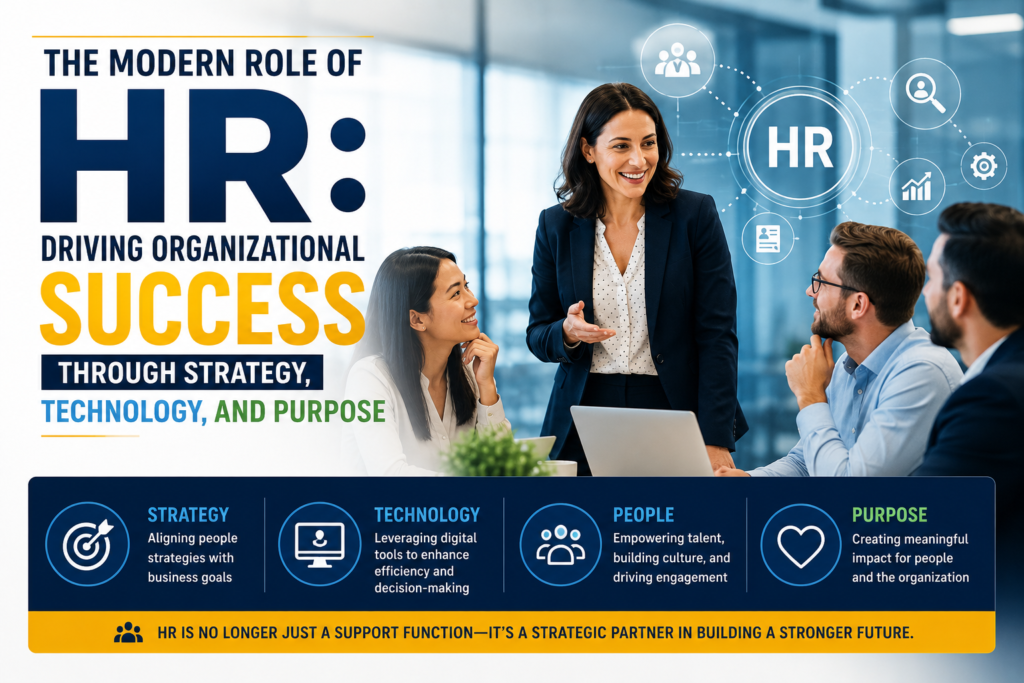
- HR’s role has evolved from administrative tasks to a strategic partnership, driving organizational success.
- Integrating advanced technologies, such as AI, enhances HR’s efficiency and effectiveness.
- Fostering a meaningful work environment boosts employee engagement and retention.
- HR’s involvement in defining organizational purpose and culture is crucial for long-term value creation.
Table of Contents
- The Evolution of HR: From Administration to Strategy
- Integrating Technology: AI and Automation in HR
- Fostering Meaningful Work Environments
- Defining Organizational Purpose and Culture
- Measuring HR’s Impact on Business Outcomes
- Future Trends in HR: Preparing for What’s Next
The Evolution of HR: From Administration to Strategy
Human Resources (HR) is no longer seen purely as a department for handling hiring, payroll, or compliance issues. Over the last few decades, HR’s position within organizations has shifted closer to the heart of strategic decision-making. Today, HR professionals are considered essential business partners who align workforce initiatives with organizational objectives, shaping high-performing teams that drive growth.
This strategic reorientation allows HR leaders to think beyond traditional administrative boundaries and focus on how best to develop, motivate, and retain talent. By embedding modern HR practices into every stage of the employee lifecycle, companies can build adaptable cultures that withstand change and deliver sustainable results. For more information on the essentials of HR services and workforce management, explore external resources that cover this evolving landscape.
HR’s strategic importance has only increased as organizations confront complex challenges, from talent shortages to remote work dynamics. Rather than react solely to workforce changes, HR now anticipates market shifts, enabling leaders to make proactive decisions about managing people and resources. These trends highlight why today’s organizations must view their HR departments as critical assets to business planning and growth.
The evolution from traditional personnel management to strategic HR has also transformed how success is measured. No longer limited to tracking headcount or compliance incidents, effective HR teams now analyze engagement, culture, and leadership development to elevate overall organizational health. This significant shift empowers HR to impact profitability, brand reputation, and innovation directly.
Integrating Technology: AI and Automation in HR
The rapid adoption of technology is redefining the HR profession. Artificial Intelligence (AI) and automation enable HR departments to manage recruiting, onboarding, and performance evaluations more quickly and accurately. AI’s ability to analyze vast datasets provides HR professionals with insights into patterns and trends, such as predicting turnover before it occurs or identifying leadership potential among employees.
Automation tools also relieve HR teams of repetitive administrative tasks, allowing them to focus on strategic planning and employee engagement. From screening resumes to managing benefits, software solutions streamline the entire employee experience. According to SHRM, organizations utilizing AI in HR processes report significant time and cost savings, along with improved outcomes in both recruitment and retention.

Digital HR platforms also enable more personalized employee development. Learning management systems and online training modules can be tailored to individual career paths, helping employees upskill efficiently and businesses remain agile. Ultimately, embracing these technologies is no longer optional; organizations that fail to keep pace risk falling behind in the talent competition.
Fostering Meaningful Work Environments
Work is about more than just tasks completed or paychecks earned. Employees today seek purposeful roles that contribute positively to both their own lives and their companies’ missions. HR is essential to building environments where work feels meaningful, primarily by ensuring personal values align with organizational goals.
Initiatives such as employee recognition programs, career development planning, and feedback mechanisms encourage individuals to recognize the value of their everyday contributions. Regular check-ins help HR professionals identify both strengths and potential obstacles in workplace satisfaction, giving teams opportunities to adjust policies or practices that may limit fulfillment. Fostering meaning at work not only strengthens engagement and loyalty but can also reduce turnover and absenteeism, two major hurdles in building successful teams.
Defining Organizational Purpose and Culture
A strong organizational purpose is more than a mission statement displayed on a website. It is a living, breathing expression of a company’s values and vision, nurtured daily by leadership and reinforced by HR. HR plays a significant role in defining, communicating, and protecting organizational purpose and culture.
By embedding purpose into processes such as hiring, performance reviews, and leadership training, HR ensures the entire employee experience is unified and consistent. This clarity is attractive to top talent who increasingly prioritize work that feels aligned with their sense of purpose. Companies recognized for their deliberate, authentic cultures have demonstrated greater resilience and performance, as shown in studies by the Harvard Business Review.
Measuring HR’s Impact on Business Outcomes
Proving HR’s value to the business requires more than anecdotal evidence. Organizations must implement robust metrics to measure HR’s effect on critical outcomes. Common data points include employee engagement scores, retention and turnover rates, time-to-fill, and the ROI of training programs.
Data-driven HR helps companies make informed decisions and continually improve talent strategies. The best HR leaders regularly present these results to business leaders, showing how investments in people generate measurable business growth. Establishing these metrics and communicating their results transparently enhances HR’s credibility and fosters a culture of accountability.
Future Trends in HR: Preparing for What’s Next
The world of work is changing rapidly, and HR must remain agile to stay ahead. The increased prevalence of remote and hybrid work has forced organizations to rethink communication, engagement, and performance management. Additionally, diversity, equity, and inclusion initiatives are at the forefront of successful talent strategies, making it vital for HR to foster fair and supportive environments.
Looking ahead, HR must also prepare for the continued evolution of digital tools, including advanced analytics and machine learning. Keeping pace with these technological trends ensures HR stays a step ahead in the competition for top talent and supports long-term organizational growth. By closely monitoring the broader workforce landscape and investing in the right capabilities, HR will continue to drive powerful business results in the years to come.
